

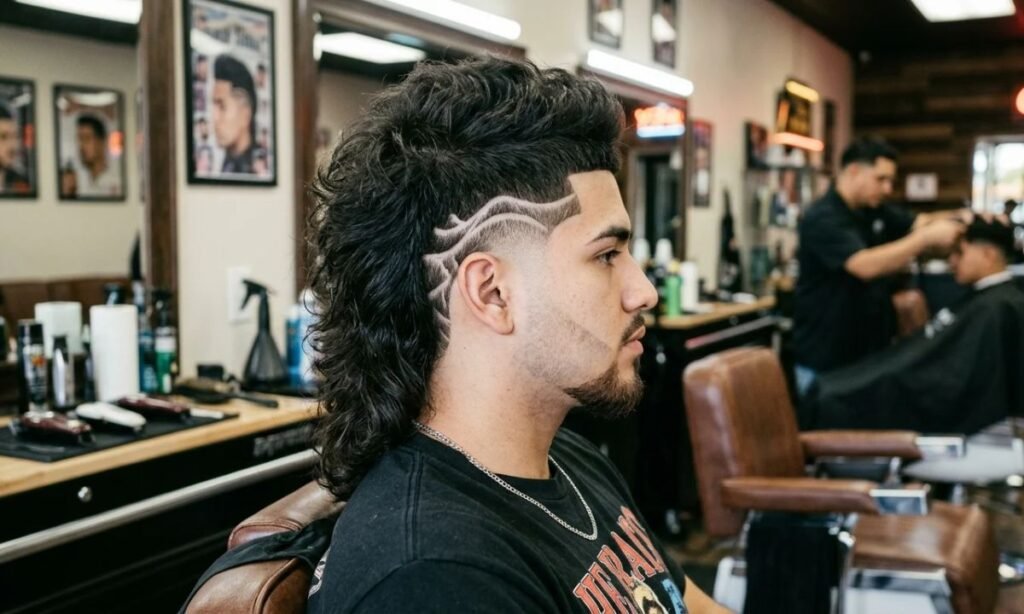
Looking for a haircut that stands out without looking messy or outdated? The Mexican mullet with design combines sharp fades, textured layers, and longer hair at the back to create a bold, modern appearance.
This haircut gives you plenty of room to express your personality. You can keep the sides clean with a taper fade, add shaved patterns, or choose a textured top that works with your natural hair.
The best part is its flexibility. Whether you prefer a subtle everyday haircut or a more striking style for parties, this look can be adjusted to match your preferences, hair type, and face shape.
In this guide, you’ll discover popular Mexican mullet variations, styling techniques, maintenance tips, and practical advice to help you choose a haircut that suits you.
Understanding the Mexican Mullet Haircut
A Mexican mullet haircut combines the recognizable mullet silhouette with modern barbering techniques and styling preferences popular in many Mexican and Mexican American communities. It usually features shorter hair around the sides, a shaped top, and longer strands at the back.
However, there isn’t one official definition of this haircut. Some versions feature an Edgar cut, while others use a burst fade, a low taper, or a heavily textured top. The result depends on how the barber blends the sections and shapes the back.
What makes this hairstyle appealing is its balance between structure and movement. The sides can look sharp and clean, while the longer back adds personality without requiring an elaborate styling routine.
Adding a hair design makes the look even more distinctive. Simple curved lines, geometric patterns, and carefully placed shaved details can turn a familiar mullet into something more personal.
Why the Mexican Mullet Haircut Has Become So Popular
The Mexican mullet has gained attention through social media, modern barbershops, music culture, and streetwear fashion. Short videos and haircut transformations make it easy to discover different combinations of fades, textures, and designs.
Another reason for its popularity is customization. Two people can request a Mexican mullet and leave the barbershop with completely different looks. One might choose a low taper for a clean appearance, while another prefers a dramatic burst fade with shaved lines.
The haircut also works with different personal styles. It can complement oversized shirts, athletic clothing, denim jackets, and more polished outfits. You don’t need to follow a particular fashion trend to make it work.
For many people, the appeal comes down to contrast. The shorter sides create a neat outline, while the longer back gives the haircut its recognizable character.
Key Features That Make This Haircut Unique
Sharp Contrast Between Front and Back
The defining feature of a mullet is the difference in length between the front, sides, and back. The top usually stays short or medium length, while the back extends farther toward the neckline.
A Mexican mullet can emphasize this contrast without making the haircut look unbalanced. Your barber can blend the transition gradually or create a more noticeable separation, depending on the style you want.
If you’re trying this haircut for the first time, a moderate difference in length is a practical starting point. You can always grow the back longer during future appointments.
Modern Fade Techniques
A fade haircut gives the sides a gradual transition from shorter hair near the ears and neckline to longer hair above. This creates a clean outline and allows the top and back to stand out.
A low fade offers a relatively subtle finish, while a mid fade creates a stronger contrast around the sides. A burst fade curves around the ear and works especially well with rounded, textured mullet shapes.
The right fade depends on your preferred appearance and how frequently you want to visit the barber. Very short fades can look crisp, but they often need more frequent touch-ups.
Strong Texture and Movement
Texture prevents the top from looking flat or overly uniform. Barbers can create it by cutting different lengths into the hair, using point-cutting techniques, or shaping layers that allow strands to move naturally.
A textured Mexican mullet works particularly well when you want volume without a stiff, heavily styled finish. It can look relaxed with minimal product or more defined when you use a small amount of styling cream.
Your natural hair texture also matters. Thick, straight hair may need careful weight removal, while curly hair often benefits from a shape that preserves its natural pattern.
Customizable Styling Options
One of the biggest advantages of the Mexican mullet is how easily you can adjust its details. You can change the fade height, top length, fringe, back length, and overall texture without losing the haircut’s basic shape.
A shaved hair design adds another level of customization. Some people choose one clean line above the ear, while others prefer symmetrical curves or small geometric patterns.
Consider your everyday routine before choosing an elaborate design. Simple details are easier to maintain, while intricate patterns require regular barber visits to keep their definition.
Trending Mexican Mullet Haircut Styles
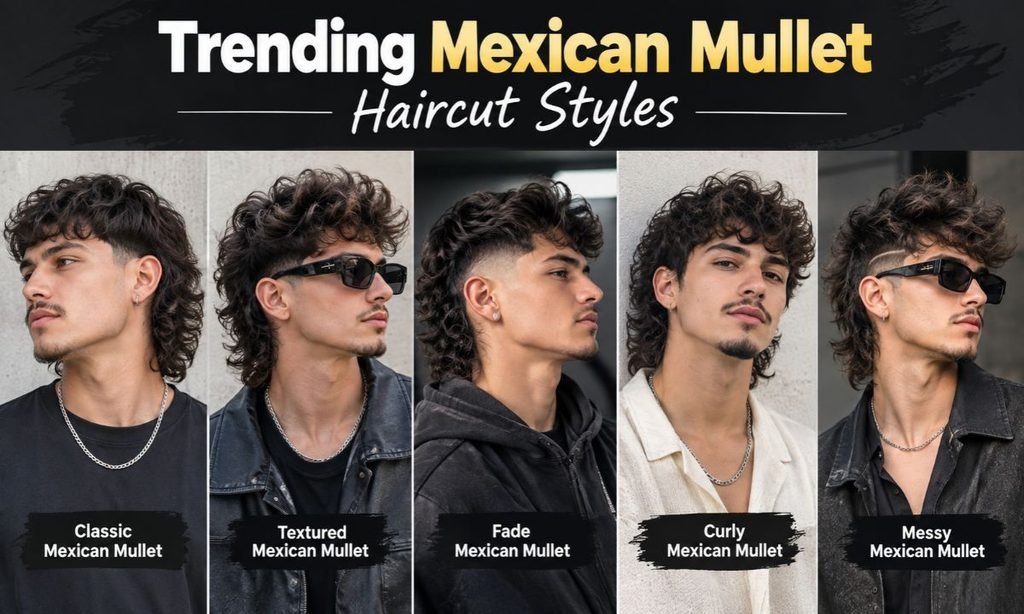
Taper Fade Mexican Mullet
The taper fade Mexican mullet is a strong choice if you want a clean appearance without removing too much hair from the sides. The taper gradually shortens the hair around the temples and neckline while leaving more length through the sides.
This variation creates a controlled transition into the longer back. It works well for school, casual outings, and everyday wear because the overall shape can remain relatively understated.
Ask your barber to keep the taper low if you prefer a softer outline. You can add texture to the top or a small shaved line for extra detail.
Burst Fade Mexican Mullet
The burst fade Mexican mullet features a curved fade around the ears. Hair remains longer through the center and back, creating a rounded transition that emphasizes the mullet’s shape.
This version looks particularly striking with a textured top or short fringe. It can also work with curly hair because the rounded fade complements natural volume around the crown.
Tell your barber how much length you want to preserve behind the ears. A carefully shaped burst fade should frame the head without making the back look disconnected from the rest of the haircut.
Textured Mexican Mullet
A textured Mexican mullet focuses on movement rather than a perfectly smooth finish. The top features varied lengths that create separation, while the back maintains the longer silhouette.
This option suits people who prefer a relaxed, slightly messy appearance. A lightweight matte clay or styling cream can define individual strands without making the hair feel heavy.
If your hair is naturally thick, ask for texture that removes unnecessary bulk while preserving the overall shape. For finer hair, avoid excessive thinning because it can make the ends appear sparse.
Edgar Mexican Mullet
The Edgar Mexican mullet combines the recognizable straight or sharply defined fringe of an Edgar haircut with the longer back of a mullet. The sides are usually faded to create a strong outline.
This style makes a noticeable statement because the fringe contrasts with the textured or extended back. You can choose a short, blunt fringe for a bold appearance or a slightly softer version for easier styling.
The key is proportion. Ask your barber to consider your forehead, hairline, and natural growth pattern before cutting the fringe too short.
Low Taper Mexican Mullet
The low taper Mexican mullet keeps the shortest sections close to the temples and neckline. Unlike a high fade, it preserves more hair around the sides, giving the haircut a softer overall appearance.
This version is useful if you want a modern mullet without an extremely dramatic contrast. The longer top can be styled forward, upward, or slightly backward depending on your hair’s natural direction.
A low taper also provides flexibility when the haircut grows out. Although the outline gradually becomes less sharp, the overall shape can remain attractive between appointments.
Curly Mexican Mullet
The curly Mexican mullet uses natural curls to create volume and definition through the top and back. The sides can be tapered or faded, allowing the curls to become the main feature.
Curly hair often gives this haircut a fuller appearance without requiring much additional styling. A leave-in conditioner or lightweight curl cream can help define the pattern and reduce unwanted frizz.
Ask your barber to cut your hair with its natural curl pattern in mind. Curls can shrink considerably as they dry, so the final shape may look shorter than expected.
Wavy Mexican Mullet
A wavy Mexican mullet takes advantage of natural bends and movement in the hair. The top can remain loose and textured, while the back follows the natural wave pattern.
This version looks especially good when you want a haircut that feels relaxed rather than heavily sculpted. A lightweight styling cream can help control flyaways while preserving the hair’s natural movement.
If your waves are subtle, ask your barber for layers that create visible separation. Avoid applying too much heavy product because it can flatten the texture and make the haircut appear greasy.
Modern Disconnected Mexican Mullet
The modern disconnected Mexican mullet creates a more noticeable separation between the top and sides. Instead of blending every section gradually, the barber leaves a clear change in length or weight.
This approach creates a bold silhouette that works well with textured tops and carefully shaped backs. A shaved line can reinforce the separation, although it isn’t necessary for the haircut to look distinctive.
Because disconnected cuts depend on deliberate proportions, explain how dramatic you want the difference to appear. Bring a reference photo so your barber can understand the intended shape.
Crop Top Mexican Mullet
The crop top Mexican mullet combines a short, textured top with a longer back. It often includes a forward fringe and faded sides, creating a structured front with a more relaxed rear section.
This variation can be practical if you don’t want to spend much time styling the top. A small amount of matte paste can add definition without making the hair look stiff.
The fringe can be blunt, uneven, or lightly textured. Choose a finish that complements your hairline and forehead rather than copying another person’s cut exactly.
Slick Back Mexican Mullet
The slick back Mexican mullet features a top styled away from the face. The back remains longer, while the sides may feature a taper or fade to keep the overall appearance controlled.
This version suits people who enjoy a more polished finish. A lightweight pomade or styling cream can provide enough hold to direct the hair backward without making it look excessively wet.
Hair length is important here. If your top is too short, it may not stay in place comfortably, so discuss the required length with your barber before choosing this variation.
Mexican Mullet Haircut Designs Worth Considering
Single-Line Design
A single shaved line is a simple way to personalize your Mexican mullet. Your barber can place it near the temple or above the ear, depending on the fade and the shape of your head.
This design works particularly well with a taper fade or a burst fade. It adds a noticeable detail without competing with the haircut’s main silhouette.
Curved Line Design
Curved lines follow the natural shape of the head and can complement the rounded transition of a burst fade. The pattern can be subtle or more prominent, depending on its placement and width.
For the best result, choose a design that works with the haircut rather than cutting across its natural structure. A skilled barber can position the curve to balance the fade and the longer back.
Geometric Hair Design
Geometric designs use straight lines, angled marks, or simple shapes to create a more distinctive finish. They often look best when the sides have enough short, even surface to display the pattern clearly.
Keep the design relatively simple if you want something easy to maintain. Detailed patterns can look impressive immediately after a haircut, but they lose definition as the hair grows.
Edgar Fringe With a Shaved Design
Combining an Edgar fringe with a shaved side design creates two distinct focal points. The fringe gives the front a strong outline, while the pattern adds detail around the temple or side.
This option works best when the barber balances the design with the top’s texture. Too many competing details can make the haircut look crowded rather than intentional.
Before committing, discuss the design’s size and placement. You can start with a single line and experiment with more elaborate patterns later.
Choosing the Right Mexican Mullet for Your Face Shape
Your face shape can help you choose proportions that feel balanced. However, these suggestions aren’t strict rules, and your hairline, personal style, and natural texture matter just as much.
Oval Face
An oval face shape generally works with a wide range of mullet variations. You can experiment with a burst fade, textured top, Edgar fringe, or slicked-back finish.
If you prefer a balanced appearance, keep the top and back in proportion. A very long back or extremely high fade can still work, but the final choice depends on your preferred style.
Round Face
A round face shape often benefits from a little extra height or texture through the top. A textured Mexican mullet or a carefully shaped fade can add definition without making the sides look overly wide.
Ask your barber to avoid unnecessary bulk around the temples if you want a more elongated appearance. A lightly lifted top may also help create the visual effect you’re looking for.
Square Face
A square face shape usually features a broad jawline and relatively defined angles. A textured mullet can complement those features while adding movement around the crown and back.
A low taper or mid fade can provide a clean outline without making the overall haircut too severe. You can choose a blunt fringe for a bold look or softer texture for a more relaxed finish.
Diamond Face
A diamond face shape typically has prominent cheekbones and a narrower forehead and chin. A textured top with carefully controlled volume can help balance these proportions.
Consider a low taper or a softer fade if you want to avoid excessive contrast around the temples. Your barber can adjust the fringe and side length to create a shape that feels natural.
Best Hair Types for a Mexican Mullet
The Mexican mullet can work with straight, wavy, curly, and many coily hair textures. The most important factor is choosing a cutting technique that respects your natural growth pattern.
Straight hair can create crisp outlines and clearly defined layers. Texture cutting helps prevent the top from appearing flat, while the back can be shaped to create a smooth or slightly choppy finish.
Wavy hair naturally adds movement, making it suitable for relaxed and textured variations. A lightweight cream may be enough to keep the shape controlled without removing its natural character.
Curly hair provides volume and definition, particularly through the crown and back. The barber should account for shrinkage and avoid cutting the curls too short before checking how they fall naturally.
Thick hair can support a strong silhouette, but it may need strategic weight removal. Fine hair often benefits from moderate layering and a shape that preserves density rather than thinning the ends excessively.
If your hair has an unusual growth pattern or a receding hairline, discuss it before choosing a particular fringe or fade. A good haircut works with your natural features instead of fighting them.
How to Style a Mexican Mullet Haircut
Styling becomes easier when you start with the right haircut. Once your barber establishes the shape, a few basic products and techniques can help you maintain the intended appearance at home.
Start by washing your hair with a suitable shampoo and conditioning it when needed. Gently towel-dry the hair instead of rubbing it aggressively, especially if you have curls or waves.
For a textured finish, apply a small amount of matte clay or styling paste to mostly dry hair. Work the product through the top with your fingers, lifting selected sections to create separation.
For curly hair, use a lightweight curl cream on damp strands. Scrunch the hair gently and allow it to air-dry or use a diffuser on a suitable setting.
If you prefer a slicked-back style, distribute a small amount of pomade or styling cream through the top. Use your fingers or a comb to guide the hair backward, then adjust the back so it follows the haircut’s natural shape.
Avoid applying too much product at once. Heavy layers can flatten the top, collect around the roots, and make the hair difficult to reshape later.
Maintenance Tips for Long-Lasting Results
A Mexican mullet looks best when its outline and proportions remain intentional. How often you need a trim depends on your fade, hair growth, and the amount of contrast in your chosen style.
For a sharp skin fade or intricate shaved design, you may want a touch-up every one to two weeks. A softer taper or longer style can often go around three to six weeks before needing a full shape-up.
These intervals are general estimates rather than fixed rules. Your hair may grow faster or slower, and a design can lose definition before the rest of the haircut needs attention.
Between appointments, keep the hair clean and use conditioner when appropriate. If your hair is curly or wavy, choose products that support moisture and definition without leaving heavy buildup.
Don’t trim the back yourself unless you’re experienced with haircutting. Small mistakes can change the mullet’s shape and make it harder for your barber to restore the intended proportions.
When booking your next appointment, bring a photo of your current haircut. It helps the barber see which parts you want to preserve and which areas need refreshing.
Common Mistakes to Avoid With a Mexican Mullet
One common mistake is choosing a style based only on a photo. The model may have different hair density, curl patterns, or facial proportions, so the same haircut won’t always produce an identical result.
Another problem is asking for a very high fade without considering the desired silhouette. Removing too much hair from the sides can change the balance between the top and back.
Using excessive styling product can also spoil the finish. Heavy waxes and creams may weigh down fine hair, while the wrong product can leave curls stiff or greasy.
Finally, don’t overlook maintenance. A detailed design and very short fade need more frequent attention than a softer, longer variation.
Before the barber starts, explain your daily routine, how much styling you’re comfortable with, and how often you can return for trims. These details help you choose a haircut you’ll actually enjoy wearing.
Why Barbers Recommend the Mexican Mullet
Barbers often appreciate this haircut because it allows them to combine several techniques in one style. They can use fading, tapering, layering, and texturizing to create a result that suits the individual.
The haircut also offers flexibility. Someone who wants a subtle change can choose a low taper and a modest back length, while someone who prefers a bolder look can request an Edgar fringe, burst fade, or shaved design.
However, the quality of the result depends on the barber’s skill and your hair’s characteristics. Not every variation is equally suitable for every person, so a consultation can prevent unrealistic expectations.
A good barber should explain what will work, recommend practical adjustments, and help you understand the maintenance involved. The goal isn’t simply to copy a trend. It’s to create a haircut that fits your appearance and routine.
How to Ask Your Barber for a Mexican Mullet With Design
Clear instructions make it easier to get the result you want. Instead of asking only for a Mexican mullet, describe the specific details that matter most to you.
Explain whether you prefer a low taper, mid fade, burst fade, or disconnected shape. Then discuss the length of the top, how much hair you want to preserve at the back, and whether you want a fringe.
If you want a shaved design, show your barber its placement and approximate size. Mention whether you prefer a single line, a curved pattern, or a geometric detail.
Reference photos can help, but explain which features you like in each one. You might prefer the fade from one picture and the back length from another.
Before the first cut, confirm the overall plan with your barber. A short conversation can save you from a haircut that’s more dramatic or difficult to maintain than expected.
FAQs: Mexican Mullet Haircut
What Is a Mexican Mullet Haircut?
A Mexican mullet haircut is a modern mullet variation often associated with textured tops, clean fades, defined fringes, and longer hair at the back. Some versions incorporate an Edgar cut or a shaved design.
There isn’t one universal formula for this hairstyle. Your barber can adjust the fade, length, and texture to match your hair and preferred appearance.
Is a Mexican Mullet Suitable for All Hair Types?
A Mexican mullet can be adapted for straight, wavy, curly, and many coily hair textures. The cutting method needs to account for density, shrinkage, and the way your hair naturally grows.
A consultation helps determine which variation will work best. Your barber may adjust the top length, fade height, and back shape to suit your hair.
How Often Should a Mexican Mullet Be Trimmed?
Many people benefit from a shape-up every three to six weeks, although the timing depends on the style. Skin fades and shaved designs may need attention every one to two weeks to remain crisp.
Longer, softer variations can often grow out for longer. Your preferred appearance and hair growth will determine the best schedule.
What Is the Difference Between a Classic Mullet and a Mexican Mullet?
A classic mullet generally features shorter hair at the front and sides with longer hair at the back. A Mexican mullet often incorporates contemporary details such as an Edgar fringe, a burst fade, textured layers, or shaved designs.
These terms aren’t rigid technical categories. Modern mullet styles overlap, and the exact result depends on the barber’s approach and the client’s preferences.
Does a Mexican Mullet Require Daily Styling?
Not necessarily. A simple taper and textured cut may need only a quick adjustment with your fingers each morning.
More structured styles, such as a slicked-back mullet or a defined curly finish, may require a little more time and product. Choosing a haircut that matches your routine makes it easier to maintain.
What Is the Best Fade for a Mexican Mullet?
The best fade depends on the finish you want. A low taper creates a subtle outline, while a burst fade emphasizes the rounded area around the ears.
A mid fade offers a stronger contrast, and a skin fade creates a particularly sharp finish. Your barber can recommend an option that suits your hair and preferred maintenance schedule.
Can I Get a Mexican Mullet With a Hair Design?
Yes. Common options include a single shaved line, curved patterns, and geometric designs around the temples or sides.
Simple designs are generally easier to maintain than intricate patterns. Ask your barber to place the design where it complements the fade and the overall haircut.
Is a Mexican Mullet Suitable for School or Work?
It can be, depending on your workplace or school’s grooming rules. A low taper with moderate back length usually creates a more understated appearance than an extreme fade and elaborate design.
If you need a versatile haircut, choose a shape that looks neat without requiring constant styling. You can always add more distinctive details later.
Final Thoughts on the Mexican Mullet With Design
The Mexican mullet with design offers plenty of ways to combine clean barbering with individual style. From a low taper to a burst fade, each variation creates a different balance between structure, texture, and length.
The best choice depends on your natural hair, face shape, styling habits, and preferred level of maintenance. A carefully chosen cut can look sharp without requiring an elaborate morning routine.
Before your appointment, save a few reference photos and discuss the details with your barber. Choose a fade, top length, and design that suit your everyday life, not just a trend you saw online.
With the right proportions and regular maintenance, a Mexican mullet can become a distinctive haircut that feels comfortable, practical, and personal.
