

Introduction
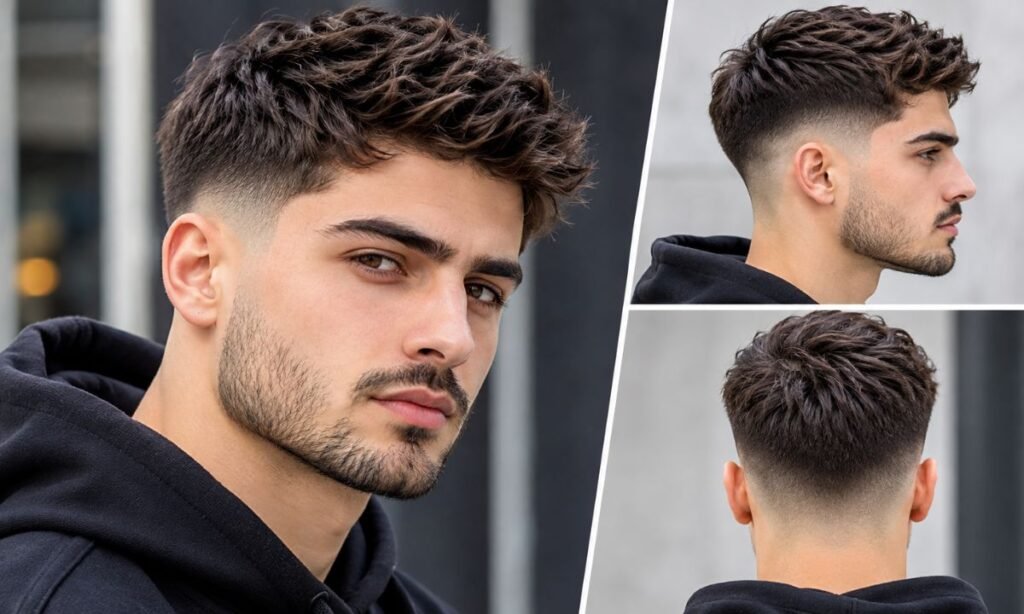
Not sure what a taper short fade haircut really is? Here’s the quick answer. The sides and back get gradually shorter as they move toward the neckline and ears, while the top stays short and neat.
That slow change in length is the whole trick. A taper leaves a little hair at the bottom. A skin fade goes all the way down to bare skin.
Maybe you’ve told a barber “just make it short and clean” and walked out with something you didn’t expect. We’ve all been there. This guide to the taper short fade haircut fixes that. You’ll learn the types, the styling steps, the upkeep, and the exact words to use in the chair.
Understanding the Taper Fade Hairstyle
A taper fade is a gradient haircut. The hair is longest on top and shortens in smooth steps down the sides. Your barber uses clippers, guards, and a scissor-over-comb technique to blend each step into the next.
Think of it like a sunset. The sky doesn’t jump from orange to black. It melts, one shade at a time. A good fade works the same way.
A short taper fade is this idea on a smaller scale. The sides stay tight, the top stays neat, and nothing looks fussy. That’s why so many men ask for a taper short fade haircut at the barber.
Taper vs. Fade: What’s the Real Difference?
People mix these two up all the time. A classic taper only trims the hair around the ears and the nape. It leaves the length mostly intact, so it looks soft and natural.
A fade goes further. It cuts the hair much shorter, often to the skin, and covers more of the head. A taper fade sits right between the two. You get a clean, short finish without looking too sharp.
Where the Blend Starts: Low, Mid, and High
The fade line tells you where the shortest hair ends and the blend begins. A low taper starts just above the ear. A mid fade starts around the temple. A high fade starts up near the crown.
The higher the line, the bolder the look. If you work in an office, a low or mid start usually feels safest. If you want a statement, go higher.
Types of Short Fade Haircuts for Men
Not every fade looks the same. The right one depends on your hair, your job, and how often you’ll visit the barber. Here are the main types, so you can walk in with a plan.
Low Taper Fade
The low taper fade is the gentlest option. The blend sits just around the ears and the back of the neck. It keeps your natural hairline looking tidy without a big change.
It’s perfect if you’re trying a fade for the first time. It also grows out quietly, so a late appointment won’t hurt.
Mid Taper Fade
The mid taper fade starts halfway up the sides. It balances clean and bold. You’ll notice it more than a low taper, but it still looks professional.
Most men with a short, textured top choose this one. It works on straight, wavy, and curly hair.
High Taper Fade
The high fade begins near the temples and climbs toward the crown. It creates strong contrast between the top and sides. That contrast makes the top look fuller.
It needs more upkeep, though. The sharp look fades fast, usually within two weeks.
Skin Fade and Bald Fade
A skin fade, also called a bald fade, goes down to the skin at its shortest point. It’s the sharpest look of the group. Barbers use a foil shaver or a zero-gapped trimmer to finish it.
It looks crisp, but it asks for commitment. Expect to book a visit every two to three weeks.
Drop Fade and Burst Fade
A drop fade curves down behind the ear instead of running straight across. A burst fade curves around the ear in a semi-circle and leaves length at the back. Both add shape and movement.
They suit longer tops and textured crops. They also pair well with curly hair and waves.
Styling Tips for Taper Short Fade Haircut
A great cut can still look flat without the right styling. Luckily, you only need two minutes and a few simple moves. Start with towel-dried hair, never soaking wet.
Short hair needs less product than you think. A pea-sized amount does the job. Too much, and your top will look greasy by lunch.
Your short fade deserves a simple routine. A taper short fade haircut looks sharp with very little product.
Step-by-Step Daily Routine
Follow this quick routine most mornings:
- Dry first. Use a blow dryer on medium heat and push the hair forward or sideways.
- Warm the product. Rub it between your palms until it’s smooth.
- Work it in. Start at the back and move toward the front.
- Shape with your fingers. Use a comb only for a part or a slick finish.
- Lock it. A light mist of sea salt spray or hairspray holds the style.
That’s it. Practice a few times and the whole thing takes about three minutes.
Match the Product to the Finish
Your finish decides your product. For a natural, messy look, pick a matte clay. For a shiny, polished look, grab a pomade. For a light hold with texture, use a styling paste or wax.
If your hair is fine, skip heavy products. They’ll weigh it down. A powder or salt spray adds grip without the heaviness.
Style Ideas for Short Tops
A textured crop is easy and looks great with any fade. A side part gives a classic, clean-cut feel. A quiff adds height if you have a little extra length. A French crop keeps things short with a blunt fringe.
Pick one and try it for a week. You’ll learn fast what works for your hair type.
Maintaining Your Modern Fade
A fade looks best in its first week. After that, the blend starts to grow out. The upkeep is simple, but you do have to stay consistent.
Most men visit the barber every two to four weeks. A low taper can stretch toward four or five. A skin fade usually needs a refresh at two.
A short taper fade stays fresh longer when you plan ahead. Book your next slot before you leave the chair.
Between Barber Visits
You can clean up small areas at home. Use a trimmer to tidy the neckline and around the ears. Go slowly, and take off less than you think you need.
Never touch the fade itself. That blend takes real skill. One wrong pass and you’ll have a visible gap that only a barber can fix.
Scalp and Hair Care
Short sides show your scalp, so scalp health matters. Wash with a gentle shampoo two or three times a week. Wash too often, and you’ll dry out your skin.
Moisturize if your scalp feels tight or flaky. Wear sunscreen on short sides in summer. Bare skin burns quickly, and nobody wants a red fade.
Talking to Your Barber
A great fade starts with a clear request. Bring a photo and mention the guard numbers you like. For reference, a #1 guard leaves about 3 mm and a #2 leaves about 6 mm.
Tell your barber where you want the fade to start, how short it should end, and how much length stays on top. Then ask for tips on styling. A good barber loves that question.
Choosing the Best Fade for Your Face Shape
Your face shape changes how a fade looks. The goal is balance. You want the cut to soften what’s sharp and sharpen what’s soft.
Not sure about your shape? Pull your hair back and look in the mirror. Check whether your jaw, cheeks, or forehead stand out most.
Round and Square Faces
If you have a round face, add height and angles. A mid or high taper with a textured quiff makes the face look longer. Keep the sides tight and the top slightly longer.
If you have a square face, your jaw already does the work. A low or mid taper with a short crop keeps things strong but friendly. Soft texture on top stops the look from getting too hard.
Oval and Oblong Faces
An oval face is the most flexible shape. Almost any fade will work, so pick what you like. A mid taper with a side part is a safe, sharp choice.
An oblong face needs less height. Avoid very high fades and tall tops. Go for a low taper with a fuller, softer top to add width.
Heart and Diamond Faces
A heart-shaped face has a wide forehead and a narrow chin. A low taper with a longer fringe softens the forehead. It also brings attention down to the jaw.
A diamond face has wide cheekbones and a narrow forehead and chin. Try a mid taper with a textured top that adds width at the brow.
Popular Men’s Fade Haircut Styles
A few combinations show up in barbershops again and again. They stay popular for a reason. Each one solves a different problem.
Taper Fade With a Textured Crop
This one is a favorite for good reason. The top is cut short and choppy, then styled forward. The sides taper cleanly underneath.
It works for almost everyone and needs almost no effort.
Taper Fade With a Comb Over
The comb over is smart and classic. A defined part and a short fade give you a sharp, professional look. Add a hard part for extra detail.
It works well for work, weddings, and interviews. A bit of pomade keeps it neat.
Taper Fade for Curly Hair
Short curly hair and fades make a great pair. The tight sides show off the curls on top. Barbers often leave 2 to 3 inches up top for bounce.
A curl cream or light gel keeps frizz down. Skip brushing dry curls. Use your fingers instead.
Buzz Cut With a Taper
If you want zero fuss, try a buzz cut with a soft taper. The whole head stays short and the edges stay tidy. It’s ideal for hot weather and busy mornings.
This also hides thinning hair well. Short hair across the head makes density look more even.
Taper Fade With a Beard
A fade that blends into a beard looks put together. The beard starts where the fade ends, so there’s no harsh line. Ask your barber to match the lengths.
Trim your beard along the cheek and neck every few days. Neat edges make a big difference.
Benefits of Taper Fade Haircuts
There’s a reason this cut never really goes out of style. It looks sharp, and it doesn’t ask much from you. Here’s what you get.
First, it suits almost every hair type and hair texture. Straight, wavy, curly, or coily, a good barber can make it work. Second, it works in almost any setting. You can wear it to the gym, the office, or a night out.
Third, it’s low effort. Styling takes minutes, and a short top forgives bad hair days. Fourth, it adds structure to your face. The tight sides make your jaw and cheekbones stand out. Finally, it grows out gracefully. A low taper still looks decent at week five.
In short, a taper fade haircut fits students, office workers, and gym regulars alike. It’s easy to wear and easy to love.
Common Mistakes with Short Fades
Even a great haircut can go wrong. Most problems come from a few easy slips. Avoid these and you’ll look sharper every time.
Skipping the Consultation
Saying “a fade” isn’t enough. There are dozens of versions. Always say where it starts, how short it ends, and what to leave on top.
A reference photo saves everyone time. Even a quick screenshot helps.
Picking the Wrong Height
A high fade on a round face can look boxy. A low fade on a long face can look stretched. Match the fade line to your face shape and not to what your friend wore.
When in doubt, start lower. You can always go higher next visit.
Overdoing Product
More gel doesn’t mean more hold. It means crunchy, shiny hair. Start with a tiny amount and add more only if you need it.
Also, wash it out at night. Product buildup can clog pores and cause scalp irritation.
Ignoring the Neckline
A messy neckline ruins a clean fade. Ask for a natural, tapered back and not a blocky square. A square neckline looks sharp for a day or two, then grows out badly.
Waiting Too Long Between Cuts
A fade is built on short hair. Wait too long, and the contrast disappears. Book your next visit before you leave the shop.
2026 Fade Haircut Trends
Styles keep moving, but the direction in 2026 is clear. Barbers are leaning toward natural, lived-in looks. Hard lines are softer, and finishes feel less polished.
The short taper fade stays on top because it adapts to every trend. Pair it with any top you like, and it still works.
Here’s what’s worth watching this year:
- Soft, low tapers that keep length and avoid harsh skin lines.
- Textured crops with a slightly longer fringe.
- Curly tops with tight, clean sides.
- Burst fades paired with short mullets or longer back lengths.
- Matte finishes over high shine.
The common thread is easy wear. Men want cuts that look good without twenty minutes of work.
Recommended Products for Your Taper Fade
You don’t need a huge shelf of bottles. A few good basics cover almost everything. Pick based on your hair type and the finish you want.
The right products help your taper short fade haircut last all day. Keep the list short and simple.
Styling Essentials
- Matte clay for texture and a natural look.
- Pomade for a clean, shiny finish.
- Sea salt spray for volume on fine hair.
- Light hairspray to hold the style through the day.
Try one at a time. Give each product a few days before you judge it.
Tools and Care
- A trimmer for neckline cleanups.
- A wide tooth comb or a small brush for parts and texture.
- A gentle shampoo and a light scalp moisturizer.
- Sunscreen for your short sides.
Quality matters more than quantity here. One good clay beats five average ones.
How to Pick a Great Barber
The best fade depends on the person holding the clippers. A skilled barber blends the lines so smoothly you can’t see where one guard ends. A rushed one leaves streaks and patches.
Look at their work before you book. Check recent photos and see how clean the blends look. Read reviews that mention fades, not just general service.
Pay attention during your first visit. A good barber asks questions, checks your head shape, and offers suggestions. If they listen well, you’ve probably found a keeper.
Top Questions Men Ask About the Taper Short Fade Haircut
These are the questions men search most before they book. Here are quick, honest answers, so you can decide with confidence.
What is the difference between a taper and a fade?
A taper shortens the hair gently and keeps some length at the edges. A fade drops much shorter, often down to the skin. A taper short fade haircut blends both ideas.
What guard number is best for a short taper fade?
Most barbers start with a #1 or #2 at the bottom of the sides. Then they step up to a #3 or #4 higher up. Ask for your guard numbers by name so nothing gets lost in translation.
How long does a taper fade last before it grows out?
Expect a clean look for two to three weeks. After that, the fade line starts to soften. A low taper can still look good at four weeks or more.
How much does a taper fade haircut cost?
Prices change by city, shop, and barber skill. Ask for the price before you sit down. Add a beard trim, and the total usually goes up.
Is a short taper fade good for a receding hairline?
Yes, it can be a smart choice. Tight sides make the hairline look intentional and tidy. Pair the cut with a textured crop or a short side part, and skip the slick-back.
Can you get a taper fade on coily or 4C hair?
Yes. A taper fade suits coily hair really well. It shows off your natural texture on top and keeps the edges crisp. Ask your barber to leave enough length for twists or coils.
What is the difference between a taper fade and a burst fade?
A taper fade runs around the whole head. A burst fade curves around the ear only and leaves length at the back. Pick a burst fade if you want a longer back with a short, clean side.
Can I do a short taper fade at home?
You can tidy up small spots, but the blend takes skill. Use a trimmer on the neckline only. Leave the full short taper fade to your barber.
How do I ask for a taper short fade haircut?
Say where the fade starts, how short it ends, and how much stays on top. For example, try this: “Low taper, #1 at the bottom, #3 on the sides, two inches on top.” Bring a photo too.
FAQs About Short and Taper Fades
What is a taper short fade haircut?
It’s a short cut where the sides and back get gradually shorter toward the neckline and ears. The top stays short and styled. It’s clean, simple, and easy to maintain.
How often should I get a taper fade?
Most men visit every two to four weeks. A low taper can last up to five weeks. A skin fade looks best when refreshed every two weeks.
Is a taper fade the same as a regular fade?
No. A taper keeps some length at the edges and blends gently. A fade goes much shorter, often to the skin. A taper fade combines a bit of both.
Does a taper fade work on curly or thick hair?
Yes. It’s one of the best cuts for curls. The short sides make the curls on top stand out. Thick hair also benefits because the cut removes bulk.
Can I get a fade with thinning hair?
Yes. A short taper with a buzz cut or a short crop hides thin spots well. Keeping everything tight makes the density look even.
Which fade is best for work?
A low taper or mid taper with a side part is a safe bet. It’s tidy, subtle, and fits most office settings.
How do I make my fade last longer?
Pick a lower fade, keep the neckline tidy at home, and book early. Use light styling products and wash your hair gently.
Final Thoughts
The taper short fade haircut is simple, flexible, and flattering. Pick the right height for your face shape, bring a clear request to your barber, and keep up with regular trims. Do that, and you’ll look sharp with almost no effort.
Have you tried a taper fade yet? Share your favorite style in the comments, or send this guide to a friend who needs a fresh cut. We’d love to hear what works for you.
